How to Choose the Best Sunlight Lamp in 2026

Choosing a sunlight lamp in 2026 can feel straightforward until you compare brightness claims, sizes, and safety details. The best choice is not automatically the brightest or most expensive. It should suit your room, routine, and reason for using it. Small details matter.

This guide explains how to compare a lamp’s stated light intensity, recommended viewing distance, adjustable settings, and timer. These features affect how the lamp fits into a real morning, whether it sits beside a breakfast table or on a crowded desk. Check product documentation carefully, since brightness depends on distance and use. A large number on the box tells only part of the story.

Your comfort and circumstances matter, too. Start with the manufacturer’s instructions, and avoid staring directly into the light. If you have an eye condition, take medication that increases light sensitivity, or have questions about using bright light for a health concern, ask a qualified healthcare professional. A lamp is not a substitute for diagnosis or treatment. No device suits everyone. Some trade-offs are easy to miss: a compact model saves space, but its placement may be less convenient. The aim here is practical guidance, not a perfect answer. Consider your needs, check the evidence behind product claims, and choose a sunlight lamp you can use consistently and comfortably.
How to Choose the Best Sunlight Lamp in 2026

Understanding How Sunlight Lamps Work and What They Are Used For

Sunlight lamps produce bright visible light that can influence the body’s internal clock. They are commonly used for seasonal affective disorder and, in some cases, circadian-rhythm support. A typical clinical protocol uses a 10,000-lux lamp for about 20–30 minutes in the morning, according to Mayo Clinic guidance. The correct distance matters. Lux readings fall as you move away, so check the device’s stated treatment distance rather than judging brightness by eye. Choose a lamp that clearly specifies UV filtration; ordinary indoor lighting and tanning devices are not equivalent.

The National Institute of Mental Health estimates that seasonal affective disorder affects about 5% of U.S. adults, with symptoms often beginning in fall or winter. A lamp may help, but response and timing vary. Sit near it with your eyes open, while looking toward breakfast or a book—not directly into the light. Small practical details matter. If you have an eye condition, take medication that increases light sensitivity, or have a history of bipolar disorder, ask a qualified clinician before use. And be honest about the limits: a lamp is not a universal fix, even when the room feels brighter.

Identifying Your Needs, Room, and Daily Light Exposure

Choosing a sunlight lamp starts with the problem you want it to address. Are dark mornings making it harder to wake, or does your desk receive little daylight? Note when you feel most sluggish and how much outdoor light you actually get. A lamp is not a replacement for every kind of daylight.

Room layout matters. A 2022 expert consensus in PLOS Biology recommends at least 250 lux of melanopic light at eye level during daytime for healthy adults. That is a circadian-light measure, not the same as a lamp’s standard lux rating. Check the stated distance and angle, then picture the lamp beside your breakfast mug or monitor.

A clinical guide from the U.S. National Institute of Mental Health describes common light therapy as 10,000 lux for 30–45 minutes in the morning. Follow the device instructions; distance can change the light reaching your eyes.

Small detail. If you have an eye condition or take medication that increases light sensitivity, ask a health professional before use. I still find it easy to focus on the headline lux number and overlook whether the lamp fits my actual morning routine. Room matters.

Comparing Brightness, Color Temperature, Size, and Adjustability

A useful sunlight lamp is judged by the light reaching your eyes, not just its advertised brightness. Check the measured lux at the distance you plan to sit, and follow the maker’s placement guidance. A lamp rated for high output may feel harsh when placed too close. Look for even illumination across the panel, without bright spots or distracting glare. Start with a comfortable session, rather than assuming maximum brightness is best.

Color temperature changes the feel of the light. Cooler white light can seem crisp and energizing; warmer settings may feel gentler in a dim room. There is no single ideal setting for everyone. If possible, choose a lamp with adjustable color temperature and brightness. Small details matter. People with eye conditions or strong light sensitivity should seek advice from a qualified health professional before use.

Size and adjustability affect everyday comfort. A broad panel can illuminate more of your face, but it may crowd a small desk. A compact lamp travels easily, though you may need to position it more carefully. Check whether the stand tilts, swivels, or adjusts in height, and whether it stays steady when moved. A flexible arm is handy beside a laptop. It can also be one more thing to fiddle with. Consider your desk space, usual seating position, and storage before choosing; product specifications alone may not predict how well a lamp fits your routine.

How to Choose the Best Sunlight Lamp in 2026

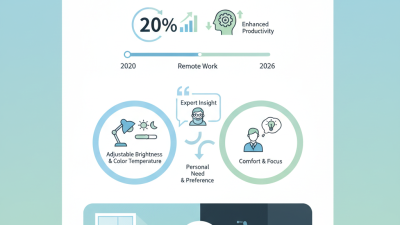
Compare brightness at the stated use distance, then consider color temperature, lamp size, and adjustability for your space and routine.

Brightness Check the illuminance rating in lux and the distance at which it is achieved. The chart uses 10,000 lux as a comparison point; follow the device instructions for use and session duration.
Color temperature Choose a comfortable white-light tone. The example configurations use 4,000 K, 5,000 K, and 6,500 K; color temperature describes appearance, not brightness.
Size and adjustability A larger light surface may be easier to position while working. Look for a stable stand, tilt adjustment, and controls that let you place the light at the recommended distance.

Illustrative, brand-free comparison—not measured product data or medical advice. Actual illuminance depends on the lamp and its specified measurement distance.

Checking Safety Features, Certifications, and Practical Usability

When choosing a sunlight lamp in 2026, check the test evidence, not just the brightness printed on the box. Mayo Clinic guidance describes using a 10,000-lux light box for about 20–30 minutes in the morning. Confirm the distance needed to reach that level; lux drops quickly as you move away. A large number without a measurement distance is not very useful. Check for a photobiological safety assessment under IEC 62471, which evaluates potential light-related hazards, and seek independent electrical-safety certification recognized in your region. Look for clear information about UV filtering, too.

Practical details matter during daily use. The lamp should sit near eye level, shine toward you indirectly, and leave enough room for breakfast or reading. CIE’s S 026:2018 standard provides a framework for measuring light’s effects on the human eye, but it does not make every bright lamp suitable for every person. That distinction is easy to miss. Check the return policy and instructions, and consider whether the stand stays steady on your desk. People with eye conditions or medicines that increase light sensitivity should ask a health professional before use. I would also check whether the safety report covers the exact model, not merely a similar product.

Matching Lamp Features to Your Budget and Purchase Priorities

Your budget should follow your priorities, not the longest feature list. If you want a lamp for a morning desk routine, check its stated light intensity and the distance required to reach it. A rating of 10,000 lux can be useful for comparison, but only when the product specifies where that reading applies. Details matter.

For a tight budget, prioritize a stable base, adjustable angle, clear controls, and a published intensity rating. A timer is helpful, but color-changing modes may add little if you will use one setting. In a narrow workspace, a broad, evenly lit panel can be more practical than a compact lamp that forces you to sit very close. Check the return policy before buying; comfort is hard to judge from specifications alone.

With more to spend, look for smooth brightness adjustment, low glare, and controls you can reach without shifting the lamp. Verify that the device is designed to limit ultraviolet exposure, and read its instructions rather than assuming every bright lamp works the same way. If you have an eye condition or take medication that affects light sensitivity, ask a qualified clinician before use. I would not pay extra for features I cannot explain or expect to use. That is an imperfect rule, but it keeps the purchase grounded in daily needs.

How to Choose the Best Sunlight Lamp in 2026 — Matching Lamp Features to Your Budget and Purchase Priorities

Typical U.S. price ranges are approximate and vary by retailer, size, and features. Compare light output at the stated user distance—not just the lamp’s maximum lux rating.

Budget / Lamp Type Typical Price (USD) Features to Prioritize Best Fit What to Check Before Buying
Basic compact panel $25–$50 UV-filtered white light, stable tabletop stand, simple on/off control, and a clearly stated distance for its lux rating. Shoppers who want a lower-cost lamp for a fixed desk or bedside location. Confirm the lamp provides its stated illuminance at a practical distance. Small panels may need to be positioned closer or kept directly in the line of sight.
Mid-size adjustable panel $50–$100 Broad illuminated surface, adjustable angle or stand, multiple brightness settings, and a timer. People who want easier positioning for a morning routine at a desk, kitchen table, or counter. Check panel dimensions, stand stability, control placement, and whether the manual specifies exposure distance and session guidance.
Large-area panel $100–$200 Larger light-emitting surface, even illumination, adjustable brightness, and a sturdy, positionable stand. Users who prefer a wider illuminated area or want more flexibility in where the lamp sits. A larger panel can be easier to position, but size alone does not establish light intensity. Compare lux specifications at the intended distance.
Premium feature-focused model $150–$300+ Refined stand or mounting options, multiple controls, a clear warranty, replaceable or serviceable components where applicable, and accessible product documentation. Buyers prioritizing build quality, adjustability, or convenient everyday controls. Decide whether the extra features address a real need. A higher price does not automatically mean greater effectiveness or better clinical suitability.
Lightweight portable panel $40–$150 Compact dimensions, low weight, protective cover or case, and a stand that works on the surfaces you use. People who need to move the lamp between rooms or travel with it. Check the usable illuminated area, power requirements, and whether the rated lux level depends on placing the lamp very close.
Core light-output check Applies to every budget Look for a clearly documented illuminance rating, commonly expressed in lux, with the measurement distance stated. Anyone comparing models with different sizes, shapes, or advertised output. “10,000 lux” is meaningful only when paired with a distance and test conditions. Follow the product instructions for positioning and duration.
Safety and usability check Applies to every budget UV-filtered light, readable instructions, stable placement, low-glare positioning, and controls that are easy to use. All shoppers, especially those who will use the lamp regularly. Do not stare directly into the light. If you have an eye condition, take medicines that increase light sensitivity, or have a condition affected by bright light, ask a healthcare professional before use.
Simple buying decision Choose based on your needs Prioritize verified output and suitable positioning first; then compare panel size, adjustability, timer, portability, and warranty. Buyers who want to avoid paying for features they are unlikely to use. For seasonal mood symptoms or other health concerns, seek professional advice. A lamp is not a substitute for diagnosis or treatment.

Price ranges are general estimates, not guaranteed listings. Specifications and recommended use vary by model; review the manufacturer’s current instructions and consult a qualified healthcare professional when appropriate.

Update: We are here, we are shipping = bring extra natural light into your home during these difficult times.
Go to Top