How to Choose the Best LED Light Lamp for Your Needs?
Choosing the right LED light lamp can be a daunting task. With so many options available, it's easy to feel overwhelmed. Industry expert Dr. Emily Carter, a recognized authority on lighting technology, emphasizes, "Not all LED light lamps are created equal." Her insight sheds light on the importance of making informed choices.
When selecting an LED light lamp, consider your specific needs. Think about the purpose of the lamp. Are you looking for warm lighting for a cozy atmosphere, or bright daylight for tasks? Each requirement demands a different type of LED light lamp. Additionally, pay attention to factors like lumens, color temperature, and energy efficiency. It isn't just about what looks good; functionality matters too.
Mistakes are common when choosing LED light lamps. Many overlook critical details. For example, not checking the lifespan of the lamp can lead to disappointment. In this evolving market, staying informed is crucial. With careful consideration, you can find a lamp that fits your needs and enhances your space.
Understanding Different Types of LED Light Lamps Available in the Market
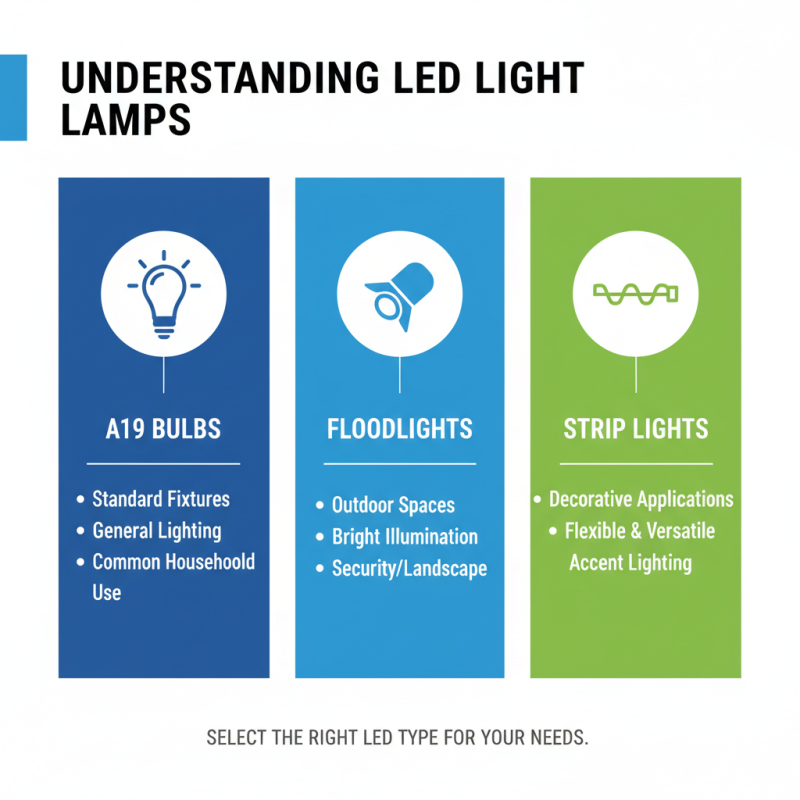
When selecting an LED light lamp, understanding the types available is crucial. LED lamps can be categorized into several types, including A19 bulbs, floodlights, and strip lights. Each type serves distinct purposes. A19 bulbs are great for standard fixtures. Floodlights provide bright illumination for outdoor spaces. Strip lights offer versatility for decorative applications.
According to a recent industry report, LED technology is projected to dominate the general lighting market, reaching over 60% of the market share by 2030. This growth highlights the shift towards energy efficiency and sustainability. It's essential to consider brightness measured in lumens. Higher lumens mean brighter light. For instance, a 10W LED lamp typically provides about 800 lumens, comparable to a 60W incandescent bulb.
Tips: Always check the Color Rendering Index (CRI) of LED lamps. A CRI above 80 ensures colors appear more vibrant. Also, non-dimmable options can limit brightness control. Many users overlook compatibility. Always verify that your fixtures support the chosen LED type. Installation isn't always straightforward; some users have faced challenges with non-standard sizes. Select carefully to avoid setbacks. Your needs should dictate your choice.
Identifying Your Specific Lighting Needs and Preferences
When choosing an LED light lamp, identifying your specific lighting needs is crucial. Consider the area you want to illuminate. For instance, a workspace requires bright, white light to enhance focus. A report from the American Lighting Association stated that optimal lighting can increase productivity by up to 20%. In contrast, softer, warmer tones are ideal for relaxation spaces like bedrooms.
Next, think about the lamp's purpose. Reading areas benefit from lamps that reduce eye strain. Studies show that up to 50% of adults experience discomfort during prolonged reading. A lamp with adjustable brightness can help mitigate this issue. Ensure the lamp fits your style too. Preference plays a significant role in how you enjoy your living space. Aesthetic choices can greatly affect your mood.
Lastly, reflect on energy efficiency. LED lamps consume significantly less power than traditional bulbs. According to the Department of Energy, switching to LED can save you about 75% on energy costs. Balancing brightness, color, and efficiency may require some trial and error. Make sure you assess your choices regularly, ensuring they still meet your evolving needs.
Comparing Energy Efficiency and Lifespan of LED Light Lamps
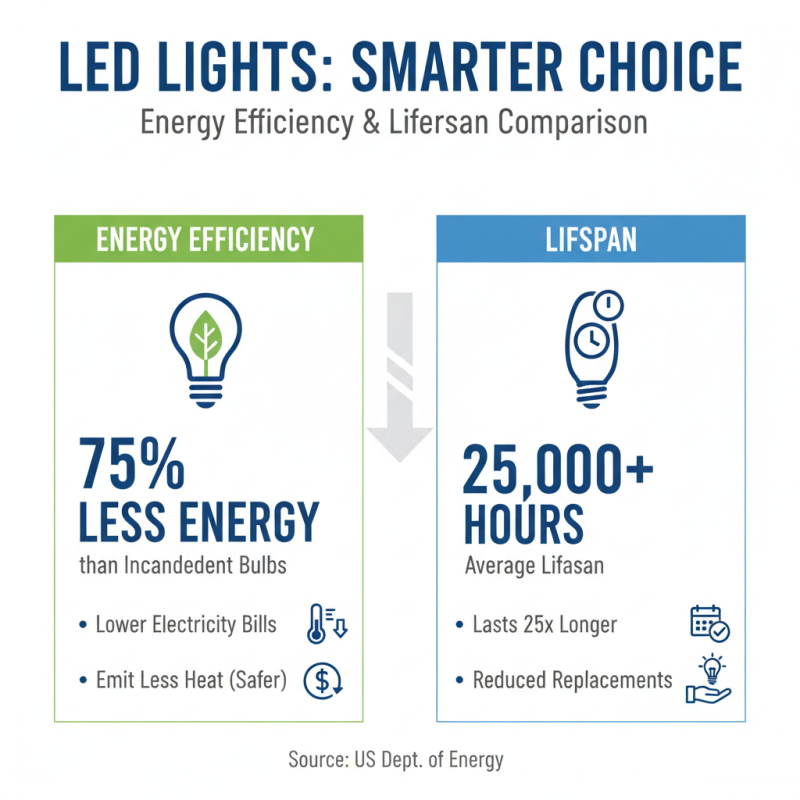
When choosing LED light lamps, energy efficiency and lifespan are critical factors. Research from the U.S. Department of Energy shows that LED lamps use at least 75% less energy than incandescent bulbs. This remarkable efficiency results in lower electricity bills. They emit less heat, making them safer for various environments.
Lifespan is another crucial aspect. On average, a quality LED light can last 15,000 to 25,000 hours. In contrast, incandescent bulbs typically last around 1,000 hours. This longevity means fewer replacements and less waste, contributing to a more sustainable lifestyle.
Tips for selection: Look for lamps with the ENERGY STAR label. This certification ensures high efficiency and performance standards. Check the lumens per watt ratio; higher lumens indicate brighter output for less power. Be aware that not all LED products perform identically. Some cheaper models may have shorter lifespans or reduced brightness over time. Always consider your specific lighting needs to make the best choice.
Evaluating Brightness and Color Temperature for Optimal Illumination
Choosing the right LED light lamp involves careful consideration of brightness and color temperature. Brightness is measured in lumens; more lumens mean a brighter light. Most people prefer between 800 and 1600 lumens for general household areas. However, too much brightness can cause discomfort or glare. It’s crucial to assess your needs based on the space and activities that will take place.
Color temperature, measured in Kelvin (K), also plays a vital role. Warm white light (2700K-3000K) promotes relaxation, making it ideal for living rooms and bedrooms. Conversely, cool white light (4000K-5000K) enhances focus and alertness, perfect for offices or reading areas. Striking the right balance between brightness and temperature ensures a pleasant environment.
Tips: Consider dimmable options for versatility. This allows you to adjust brightness according to different occasions. Additionally, test various color temperatures in your space before making a purchase. Space perception can shift based on light quality. What looks good in-store may differ in your home. Remember, the best light is one that caters to your specific lifestyle needs.
Considering Design and Installation Requirements for Your Space
Choosing the right LED light lamp involves careful consideration of design and installation requirements. The aesthetics of the lamp should match your interior style. For example, a sleek, modern design complements minimalist spaces. In contrast, vintage-style lamps work well in more traditional settings. The color temperature of the light is also vital. It influences the mood of the room—warm lights are cozy, while cool lights enhance productivity.
Installation requirements can differ significantly. Some lamps are easy to plug in and start using, while others may require hardwiring. Measure the space where you plan to install the lamp. Ensure that it fits well without overcrowding the area. Consider the height and direction of the light. It can dramatically affect the atmosphere.
Reflect on the practical aspects, too. Are there shadows cast by furniture? Will the light fixture obstruct movement? Think about the purpose of the lamp. Is it for reading, ambiance, or task lighting? The answers will guide you toward the best choice for your needs. Explore various designs before making a decision. A little extra time spent on these considerations pays off in the end.
Comparison of Different LED Light Types Based on Efficiency and Lifespan