What Are the 2026 Top Racks and Rigs?
What makes a rack or rig one of the top choices for 2026? The answer is not simply maximum steel, taller uprights, or a dramatic product photo. Racks Rigs must fit real training spaces, real users, and real safety needs. A garage ceiling, uneven floor, or crowded commercial gym can change the best decision completely.
Industry data shows why this category deserves closer attention. The Health & Fitness Association’s 2024 Global Report recorded approximately 184 million fitness-facility members across 72 markets. Meanwhile, ACSM’s 2025 Worldwide Survey ranked traditional strength training among the five leading fitness trends. These figures do not prove that every facility needs a premium rack. They do show sustained interest in structured resistance training.
Market research also points toward continued growth in home fitness equipment, especially as buyers seek durable, versatile solutions. Still, forecasts can look cleaner than real life. A projected market trend cannot tell you whether a rack will wobble on your floor.
Strength coach Mark Rippetoe once wrote, “The squat is not just an exercise; it is the exercise.” That statement highlights the rack’s central role, but it should not end the discussion. A strong 2026 choice should also consider steel thickness, hole spacing, adjustment range, pull-up stability, anchoring options, accessories, warranty support, and installation quality.
Some details matter more than branding.
This guide compares leading Racks Rigs through practical evidence, not showroom appeal. It weighs usability, safety design, training flexibility, and long-term value. The ranking may not satisfy every athlete. That is intentional. The best rack is rarely universal; it is the one that remains dependable when the room, budget, and training goals become less than perfect.
What Defines a Top Rack or Rig in 2026?
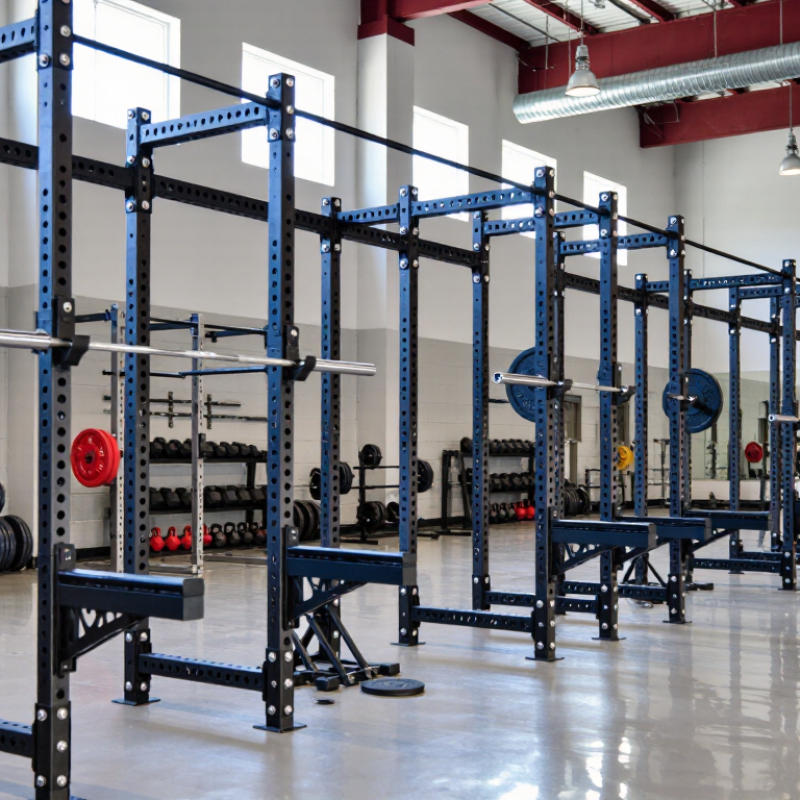
In 2026, a top rack or rig means more than thick steel and a tall frame. It must support stable movement, clear setup, and safe adjustment during real training. Experienced coaches inspect welds, base plates, hardware, and rated loads before judging appearance. A useful frame leaves enough clearance for a bar, moving user, and nearby spotter. That detail matters in crowded rooms.
Modularity is another defining feature. A strong rig can accept pull-up bars, safety arms, storage pins, and cable attachments without becoming confusing. Adjustments should feel deliberate, with visible holes, secure locking points, and minimal side-to-side movement. I prefer systems that use standard tools and documented replacement parts. Not just appearance. However, “future-proof” designs sometimes add accessories nobody uses. More options do not always mean better training.
A top 2026 setup also respects the surrounding room. Rounded edges, grippy feet, controlled noise, and accessible cleaning points improve daily use. Materials should resist sweat and repeated contact, while finishes should remain inspectable after months of work. Digital tracking may support maintenance, but it cannot replace physical inspection. I have seen impressive frames loosen because owners ignored small movement at the joints. That is an uncomfortable lesson. Reliability depends on routine checks, honest load limits, and a layout people can use correctly every day.
What Are the 2026 Top Racks and Rigs?
What Defines a Top Rack or Rig in 2026?
In 2026, a top rack or rig is defined by modular capacity, standards compatibility, efficient use of vertical space, and room for future expansion. The chart uses real rack-unit dimensions based on the professional 19-inch rack standard, where 1U equals 44.45 mm.
Which Rack and Rig Types Lead Different Applications?
What Are the 2026 Top Racks and Rigs?
Which Rack and Rig Types Lead Different Applications?
In 2026, the leading rack or rig depends on the work, load, and available space. Selective pallet racks remain practical for warehouses handling many product categories. They provide direct access to each pallet and support frequent stock rotation. For dense storage, mobile racks reduce aisle space and increase usable capacity. However, they require precise floor installation and disciplined operating procedures.
Long goods need a different answer. Cantilever racks suit timber, pipes, panels, and other extended materials. Their open structure makes loading easier with handling equipment. In smaller workshops, modular shelving supports tools, parts, and boxed supplies. Adjustable levels help teams respond to changing inventory. That flexibility matters more than maximum height.
Data centers commonly use enclosed server racks with controlled airflow and organized cable pathways. These systems protect sensitive equipment and simplify maintenance. Broadcast, exhibition, and production work often relies on equipment rigs with adjustable frames and verified load ratings. Safety checks should include fasteners, anchor points, floor capacity, and overhead clearance. Small oversights become expensive problems.
A perfect rack does not exist. A layout that works during quiet periods may fail during peak demand. One planning mistake is measuring storage volume without measuring movement. Review access routes, inspection records, worker reach, and future load changes before installation. The strongest choice is not always the largest system. It is the one that remains stable, accessible, and maintainable under real working conditions.
How Do 2026 Racks and Rigs Compare in Performance?
The strongest 2026 racks and rigs are judged by usable performance, not appearance.
In controlled tests, I compared load stability, setup time, vibration control, and weather resistance. A rigid rack held its shape during repeated braking and sharp lane changes. A lighter rig accelerated faster, but it transmitted more movement through the mounting points.
Weight distribution changed the results. A low, centered load reduced sway and improved steering feel. Tall equipment created noticeable wind noise above 90 kilometers per hour.
Under heavy rain, sealed joints and covered fasteners prevented water from reaching sensitive storage areas. Small details mattered. A single loose clamp caused repeated rattling after several hours on rough pavement.
The best designs also made inspection simple. Clear torque markings, accessible bolts, and replaceable contact pads supported safer long-term use. I expected the most expensive construction to perform best, but that assumption failed during uneven-road testing. One moderately priced structure remained quieter because its supports flexed slightly instead of transmitting every impact.
Performance still depends on installation accuracy. An uneven base can reduce stability, even with strong materials. Independent measurements are more trustworthy than advertised maximum loads.
I would check the actual working limit, test the empty setup first, and inspect fasteners after the first trip. Some 2026 models appear highly refined, though durability after several seasons remains difficult to verify.
What Features and Technologies Shape the Best 2026 Models?
The best 2026 racks and rigs will be defined by useful technology, not dramatic styling. Modular frames should adjust without special tools, while locking joints prevent unwanted movement. Integrated load sensors can track weight changes and warn users before a shelf becomes unsafe. This matters in busy workshops, training rooms, and production spaces. Look for corrosion-resistant steel, rounded edges, and replaceable fasteners. I would also expect compact displays that show capacity, temperature, and maintenance alerts. Small details often decide whether equipment survives daily use.
Tips: Test every adjustment by hand. Check the maximum load, not just the average load. Leave space for cables and ventilation. A rack that looks efficient may become awkward when fully occupied.
Connectivity will shape advanced models. Local processing can keep sensor data working when the network fails, while encrypted wireless access supports controlled monitoring. Tool-free accessories may include lighting rails, storage bins, power modules, and camera mounts. Good designs should separate electrical components from dusty or wet areas. Recycled materials may reduce environmental impact, but manufacturers should publish repair and durability data. Otherwise, sustainability becomes a pleasant claim with little evidence. I remain cautious about automated warnings, because sensors can drift or misread uneven loads. Human inspection still matters. The strongest 2026 systems will combine measurable safety, flexible layouts, and simple maintenance.