2026 Best Types of Double Doors for Global Buyers?
Choosing the right Double Doors in 2026 requires more than comparing photographs and prices. Global buyers must consider climate, building use, security, access, and long-term maintenance. A coastal villa may need corrosion-resistant aluminum, while a mountain lodge may require insulated timber and weather seals. These details matter.
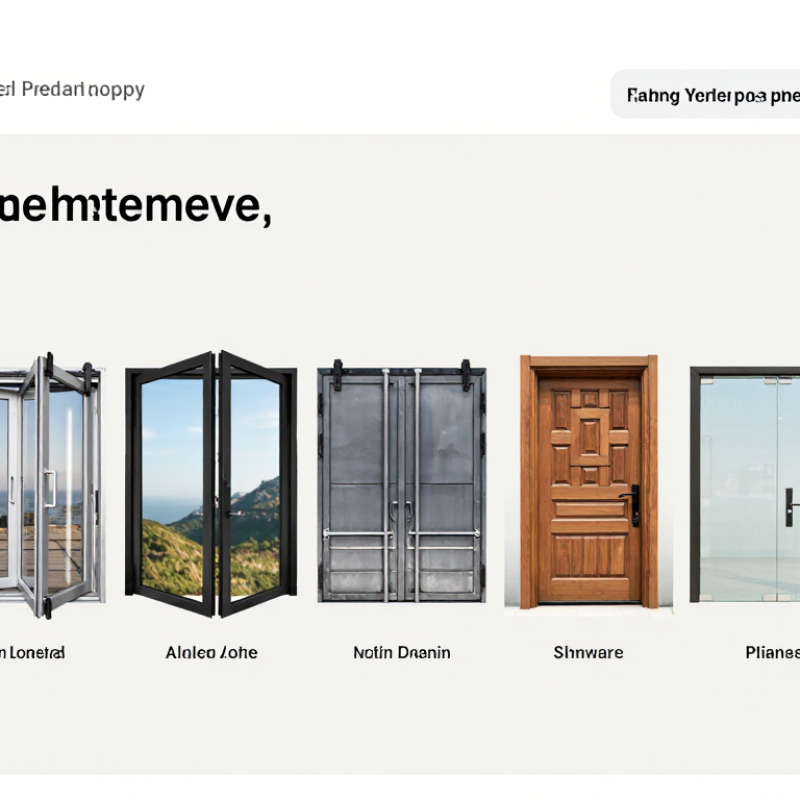
This guide examines popular options, including hinged, sliding, folding, steel, aluminum, timber, and glass Double Doors. Each type offers different benefits. Hinged doors provide a familiar opening action and strong visual presence. Sliding systems save space but need accurate tracks and careful installation. Folding doors create wide openings, yet their hardware can demand more maintenance. Tested thermal performance, drainage design, hinge quality, and replacement-part availability should influence every purchasing decision.
There is no universal winner. That assumption often fails. A low purchase price may hide complex shipping, oversized packaging, or difficult local repairs. Buyers should request drawings, material specifications, warranty terms, test reports, and installation guidance before placing an order. Regional building requirements also vary, so professional review remains essential. Reliable suppliers explain limitations instead of promising perfection. They should clarify glass safety, wind resistance, water management, and compatible locking systems. Small details matter, such as a 10-millimeter threshold difference affecting wheelchair access or floor drainage. This article offers a practical framework for comparing Double Doors across markets, while acknowledging that budgets, design preferences, and site conditions can change the final choice. Good decisions begin with evidence, not attractive images.
What Are Double Doors and Why Are They Important for Global Buyers?
Double doors are an entry system with two coordinated door leaves set within one frame. Both panels may open together, or one panel may remain fixed. Common designs include hinged, sliding, folding, and French-style doors. Their wider opening supports moving furniture, machinery, luggage, and large shipments through a building.
For global buyers, double doors matter because they combine access, appearance, security, and daily practicality. A warehouse may need steel doors with reinforced hinges. A hotel entrance may favor glazed doors for light and visibility. A home may require insulated timber or composite panels for quieter rooms. The right choice depends on opening width, wall structure, traffic frequency, weather, and maintenance capacity.
Measure carefully.
Purchasing teams should compare frame dimensions, panel weight, seals, hardware, and packaging protection. A door that fits the panel opening may still fail if the threshold is too high. Shipping also requires attention to crate size and handling points. Local requirements for fire resistance, accessibility, wind performance, and emergency exits can differ, so professional verification is essential. No specification is perfect. A highly secure door may feel heavy, while a lightweight door may need more frequent adjustment. Buyers should test samples where possible, inspect corner joints, and request clear installation drawings before placing a large order.
Which Double Door Types Will Be Best for Different Property Needs in 2026?
In 2026, the best double door depends less on appearance than on the property’s daily demands. A city apartment may benefit from insulated steel doors with narrow sightlines. They resist forced entry and reduce hallway noise. Yet steel can feel cold and industrial. A warm timber pair suits villas, heritage homes, and reception areas. Proper seals matter in humid climates. Without them, swelling can turn a beautiful entrance into a stubborn one. Buyers should check local weather, wall opening, and maintenance capacity before choosing.
For patios and garden rooms, aluminum-glass double doors provide wide views and generous daylight. Thermally broken frames help limit heat transfer during sharp seasonal changes. Sliding-folding systems save swing space, but their tracks collect dust and sand. That detail is easy to underestimate. For hotels, offices, and accessible homes, low-threshold doors with lever hardware improve movement for luggage, wheelchairs, and children. Opening direction should match the room, escape planning, and professional installation requirements. Hardware quality, drainage, and replaceable seals often matter more than decorative panels.
Rural properties may need composite or treated timber doors that handle wind, rain, and uneven temperatures. Coastal buyers should seek corrosion-resistant hardware and protected finishes. Fire-rated doors belong in specified internal locations, where certified performance and correct fitting are essential. Product claims should include test documents, warranty terms, and installation guidance. I would not choose the largest glass area automatically; glare, privacy, and cleaning can become daily frustrations. A sensible specification balances security, thermal performance, access, repairability, and actual entrance use.
How Do Materials, Opening Systems, and Security Features Compare?
For global buyers, the best double door depends on climate, wall width, traffic, and maintenance capacity. Material choice sets the door’s daily behavior. Aluminum resists moisture and offers slim frames, but thermal breaks are essential in cold regions. Steel provides strong impact resistance, though exposed edges can corrode near coastlines. Timber feels warm and can be repaired, yet it needs regular sealing. Fiberglass offers stable performance when temperature swings are severe. No material is maintenance-free.
Opening systems change how a room works. Hinged French doors suit traditional entries and allow a wide clear opening. Sliding doors save floor space, but their tracks collect grit and demand careful drainage. Folding systems create a broad opening for patios, although every extra panel adds hardware and adjustment points. Pivot doors make a strong visual statement, but their weight requires accurate structural planning. Measure furniture routes, wind exposure, and threshold height before choosing. A beautiful opening can become awkward in daily use.
Security should be layered, not advertised as a single lock. Look for a reinforced frame, adjustable multipoint locking, protected cylinders, security-rated laminated glazing, and hinge-side reinforcement. The threshold should limit forced lifting while managing rainwater. Ask for independent test reports, installation guidance, spare-part access, and climate-specific warranties. Local building and emergency egress requirements still matter. Field inspections often reveal strong hardware installed beside weak surrounding walls. That mistake is expensive. Performance also depends on installation quality, which buyers often underestimate. Good doors are engineered systems, not isolated panels.
What International Standards Should Buyers Check Before Ordering?
When ordering double doors internationally, buyers should verify standards before comparing finishes or prices. The 2023 Global Status Report for Buildings and Construction states that buildings consumed about 30% of global final energy in 2022. Door performance therefore matters beyond appearance.
Check the destination market first. For European projects, ask for test evidence under EN 14351-1, including air leakage, water tightness, and wind resistance. EN 1026, EN 1027, and EN 12211 commonly support these evaluations. North American projects may require ASTM E283, ASTM E331, and ASTM E330 results. These tests measure leakage, water penetration, and structural pressure resistance. Do not accept “international standard” as a complete specification.
Fire-rated double doors need separate attention. Request classification reports under EN 1634-1 or the applicable NFPA 80 requirements. Emergency exit hardware may also require EN 1125 or EN 179 testing. Confirm the complete assembly, including frame, seals, hinges, glazing, and closer. A tested door leaf alone is not enough.
Read the report carefully. Check size, opening direction, wall type, test pressure, and validity. A certificate can look impressive while covering a smaller model. In my experience, this is where mistakes happen. Some specifications remain unclear, especially around thresholds and installation tolerances. Buyers should request full drawings, maintenance instructions, and country-specific conformity documents before placing an order.
2026 Best Types of Double Doors for Global Buyers
Before ordering, buyers should match the door configuration with applicable requirements for structural performance, weather resistance, fire safety, accessibility, and hardware.
Insulated hinged double doors Suitable for exterior entrances where thermal performance, air leakage, water tightness, and wind resistance matter.
Fire-rated double doors Specify the complete tested doorset, including frame, hinges, closer, lock, seals, and glazing where applicable.
Accessible double doors Check clear opening width, threshold height, opening force, maneuvering space, and the active-leaf arrangement.
The chart shows the publication or edition year of widely used reference documents. These documents do not replace the building codes or certification rules of the destination country. Confirm the required edition, test reports, product classification, and local approval before production.
How Can Global Buyers Evaluate Cost, Customization, Installation, and Suppliers?
For global buyers, the best double-door type depends on space, climate, traffic, and maintenance capacity. Hinged doors suit traditional entrances and offer strong sealing. Sliding doors save floor space but need clean tracks and accurate alignment. Bi-fold doors create wide openings, although their hardware can cost more. French doors add visual appeal, yet they require careful frame measurement.
Cost needs more than a unit price. Ask for the door, frame, glass, hardware, packaging, shipping, taxes, and installation separately. A low quote can hide weak hinges or unsuitable glazing. I have seen buyers replace damaged panels after choosing poor packaging. Details matter. Request samples, technical drawings, load data, and finish specifications before payment. Custom options may include unusual heights, low-threshold frames, security glass, thermal breaks, and powder-coated finishes. Each option affects weight, lead time, and installation skill.
Installation conditions deserve equal attention. Confirm wall opening sizes, floor level, drainage, local weather exposure, and access for delivery equipment. Measure twice. A supplier should provide clear manuals, tolerance data, inspection records, and realistic warranty terms. Check production experience through project photos, verified references, and factory communication. Ask who handles defects and replacement parts. Communication can fail across time zones, so written approvals are essential. I would also request a pre-shipment inspection, though it cannot replace an experienced local installer. Suppliers should explain applicable safety and building requirements for the destination market without making unsupported compliance claims.